

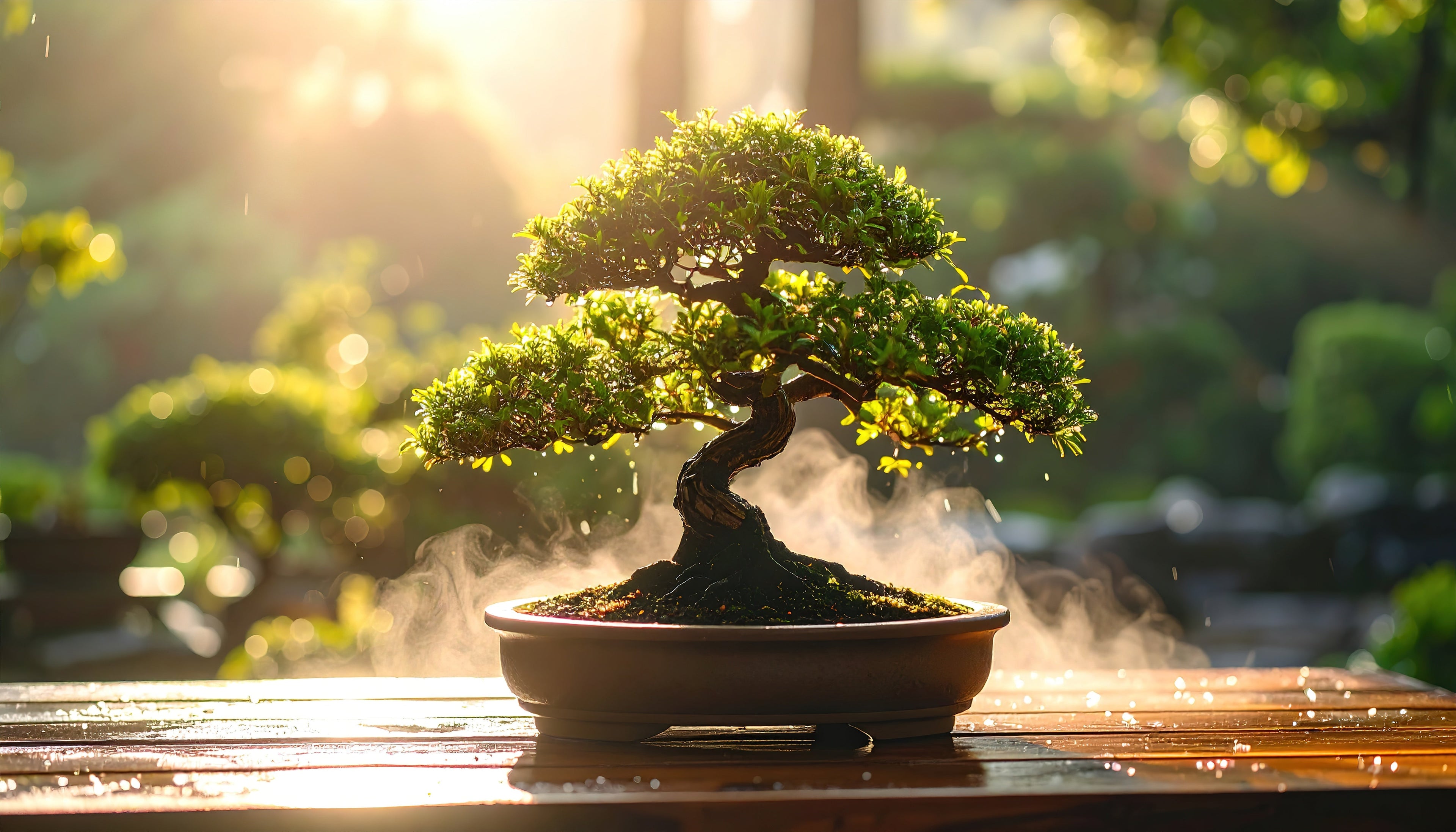
When it comes to caring for bonsai trees, one of the most common mistakes is not providing them with the right amount of light. Bonsai sunlight needs are often misunderstood, which can lead to unhealthy trees and poor growth.
In this post, we’ll discuss the proper light exposure for bonsai trees, the impact of sunlight on their health, and the best practices for ensuring they get the light they need to thrive.
Key Takeaways:
- Bonsai trees need 4 to 6 hours of sunlight per day to stay healthy.
- Pine, Juniper, and Maple need direct sunlight, while indoor bonsai like Ficus need indirect sunlight.
- Indoor bonsai should be placed near a south-facing window for optimal light exposure.
- Too much sunlight can lead to leaf burn, while too little can cause stunted growth and weak branches.
- Using grow lights can help indoor bonsai get the sunlight they need.
Understanding Bonsai Sunlight Needs

Bonsai trees are not your average houseplants. They come from a wide variety of species, and each species has specific bonsai tree sunlight requirements. Just like any other plant, bonsai trees rely on sunlight for photosynthesis.
However, the amount of sunlight required can vary greatly depending on whether your bonsai is an indoor or outdoor species.
Understanding bonsai tree light requirements is essential for their health and overall growth. Too much sunlight can lead to sunburn and dehydration, while too little can cause stunted growth and weak, leggy branches.
This is why proper light exposure is crucial in maintaining a beautiful, healthy bonsai. For tips on choosing the right species based on your lighting conditions, refer to our article on types of bonsai trees.
How Much Sun Does Your Bonsai Need?
The amount of sunlight your bonsai requires depends on the species. How much sun for bonsai trees can be a tricky question, as it varies from one type of tree to another.
In general, bonsai trees need at least 4 to 6 hours of sunlight per day to stay healthy. For outdoor bonsai, this means positioning them in a location where they can receive direct sunlight, preferably in the morning or late afternoon when the sun is not as harsh.
Indoor bonsai, however, have different bonsai light exposure needs. Most indoor bonsai need bright, indirect sunlight for at least 4 to 6 hours per day. For these trees, placing them near a window with ample light is crucial.
If you have an indoor bonsai and your space lacks natural light, consider using grow lights designed for plants. These can help simulate the light conditions your bonsai would naturally experience outdoors.
If you're looking for more details about bonsai light exposure, our guide can help you understand how to properly care for your bonsai in various lighting conditions.
Bonsai Tree Health and Sunlight
The connection between bonsai tree health and sunlight cannot be overstated. Sunlight helps bonsai trees maintain their vibrant foliage, encourages healthy growth, and produces strong branches.
When a bonsai tree doesn’t receive enough sunlight, it can become:
- Weak
- Leading to issues such as poor leaf color
- Leggy growth
- General decline in vitality.
On the other hand, when a bonsai receives too much sunlight, it can suffer from leaf scorch and dehydration. This is particularly true for indoor bonsai, which may not have the natural protection from the elements that outdoor bonsai have.
For example, if your bonsai is exposed to direct sunlight for extended periods during the hottest part of the day, you may notice that the leaves begin to dry out and curl at the edges. This is a sign that your tree is getting too much sun and needs to be moved to a less intense spot.
To better understand the health benefits of bonsai and how sunlight contributes to its vitality, check out our article on the therapeutic effects of bonsai care.
Best Practices for Bonsai Light Exposure

To ensure your bonsai gets the proper amount of light, consider these tips for effective bonsai tree light exposure:
Know Your Species
Different bonsai species have different light needs. Research your specific tree to understand whether it needs full sun, partial shade, or bright, indirect light. For example, tropical bonsai thrive with bright but indirect sunlight, while outdoor bonsai like Junipers prefer full sun.
Positioning is Key
For outdoor bonsai, place them in a location that gets morning or late afternoon sunlight. For indoor bonsai, position them near windows with the most natural light. A south-facing window is often the best choice, as it provides the most consistent light throughout the day.
Use Grow Lights
If your indoor bonsai isn’t getting enough natural sunlight, consider supplementing with grow lights. These lights simulate the sun’s spectrum and can be adjusted to meet your bonsai’s needs. They’re especially useful for bonsai trees that require more sunlight than your indoor space provides.
If you're unsure about the right grow lights, our guide on choosing the right bonsai pot can offer insights into creating the perfect environment for your bonsai's health.
Monitor Sun Exposure
Keep a close eye on your bonsai’s reaction to sunlight. If you notice any signs of leaf burn or dehydration, it might be getting too much sunlight. Conversely, if the tree looks weak, leggy, or its leaves begin to yellow, it may not be getting enough light.
Bonsai Tree Growth Conditions: Sunlight and Temperature
It’s important to note that bonsai tree growth conditions are not solely dependent on sunlight. Temperature also plays a role in how well your tree thrives.
Typically, most indoor bonsai trees prefer temperatures between 60 to 75°F (15 to 24°C), with some species requiring even warmer conditions.
In addition to temperature, humidity also plays a role in ensuring proper bonsai tree growth. Bonsai trees, especially tropical species, often require higher humidity levels to thrive.
If you live in a dry climate or are growing your bonsai indoors during the winter months, consider using a humidity tray or a room humidifier to maintain the ideal moisture levels for your tree.
Proper Sunlight for Bonsai Care
Understanding bonsai sunlight needs is essential to keeping your bonsai tree healthy and vibrant. Remember to monitor your tree’s reaction to light exposure and adjust as needed to create the perfect environment.
For more bonsai care tips and guidance on how to provide your bonsai with the best light conditions, explore Leaves & Soul’s bonsai essentials collection. With the right tools and care, your bonsai will thrive, becoming a miniature masterpiece that brings beauty and tranquility into your home or garden.
Frequently Asked Questions
How Much Sunlight Does My Indoor Bonsai Need?
Indoor bonsai requires 4 to 6 hours of bright, indirect sunlight. A south-facing window is ideal for optimal exposure.
Can Bonsai Trees Survive In Low Light?
Bonsai trees need sufficient light to thrive; too little light can cause weak, leggy growth. Use grow lights if natural light is insufficient.
What Happens If A Bonsai Gets Too Much Sunlight?
Excessive sunlight can lead to leaf burn and dehydration, especially for indoor bonsai. Move your tree to a less intense light spot if this occurs.
Should I Use Grow Lights For My Bonsai?
Yes, grow lights can supplement natural light, especially for indoor bonsai. These lights simulate sunlight and help promote healthy growth.
Where Should I Place My Outdoor Bonsai For Optimal Sunlight?
Outdoor bonsai should be placed in areas with morning or late afternoon sun. Avoid harsh midday sunlight to protect against leaf scorch.